A successful online store should make shopping feel simple from the first click to the final purchase. Customers want clear product information, smooth navigation, mobile-friendly pages, and a checkout experience that does not create unnecessary friction. Businesses also need a store that is easy to manage and flexible enough to grow with changing requirements.
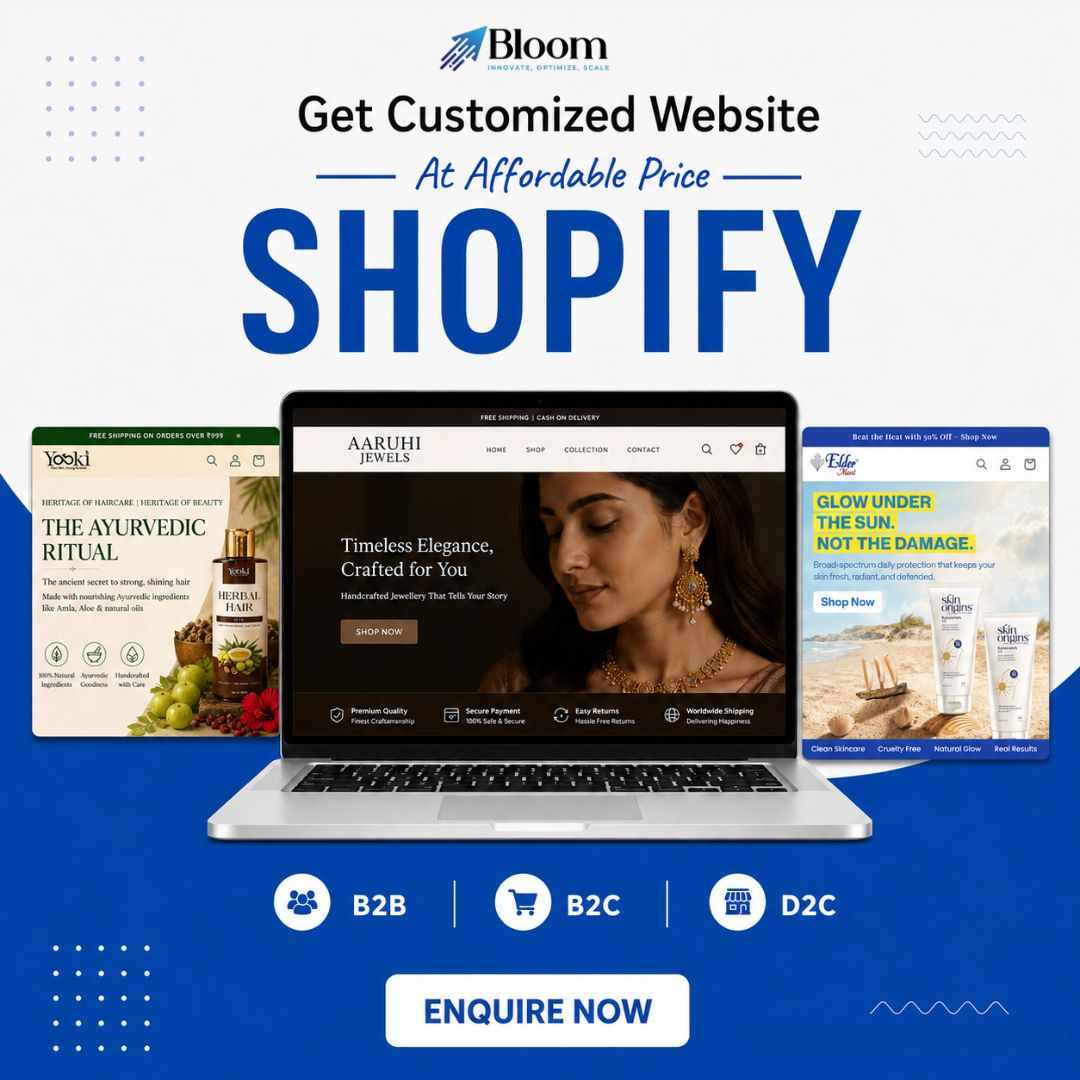
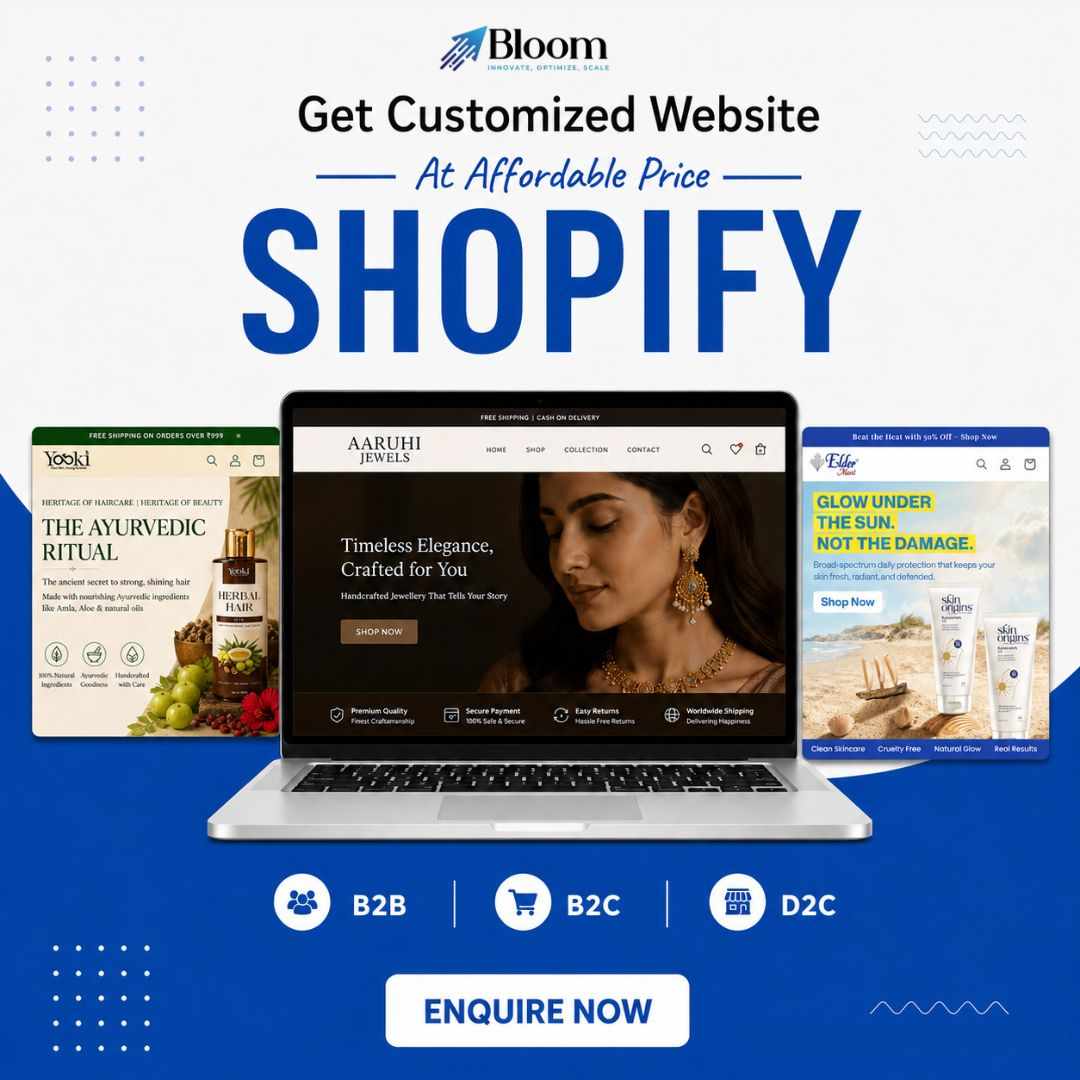
Shopify offers a strong foundation for e-commerce, while Shopify website development services can help businesses create a more personalized storefront around their products, customers, and long-term objectives.
Start With the Right Website Structure
A good e-commerce website begins with thoughtful planning. Before development starts, businesses should understand their target audience, product range, purchasing journey, brand identity, and operational requirements.
These factors can influence everything from the navigation menu to product categories and landing pages. A well-planned structure helps customers find information quickly and gives the business a solid foundation for future expansion.
Make Your Brand Stand Out Online
Customers should be able to recognize a brand through its website. Consistent typography, imagery, layouts, messaging, and product presentation can create a stronger identity.
A professional Shopify website development company can customize the storefront to reflect a brand's personality. Custom homepage sections, collection layouts, promotional banners, landing pages, and product designs can create a more distinctive experience than a standard template alone.
Improve Product Discovery
A customer should not have to work hard to find a product. Simple navigation and logical organization are particularly important for stores with large catalogs.
Useful features can include:
Clear product categories
Search functionality
Product filters
Organized collections
Related product suggestions
Simple navigation menus
Structured product pages
These elements can help visitors explore products more efficiently and reduce frustration during browsing.
Build Product Pages That Sell With Information
Customers often need detailed information before deciding to purchase. Product pages should therefore provide relevant details in a clear and accessible format.
Depending on the product, businesses can include specifications, dimensions, materials, sizes, colors, images, availability, shipping information, reviews, and FAQs.
The right combination of content and visual presentation can help customers understand a product without making the page unnecessarily complicated.
Customize the Store for Unique Requirements
Not every business can operate effectively with basic store functionality. Some may need product personalization, subscriptions, advanced search, custom ordering workflows, or specialized customer experiences.
Professional Shopify development services can help businesses add functionality according to their specific requirements. Integrations can also connect the store with systems for inventory, shipping, marketing, analytics, accounting, and customer support.
The purpose of customization should always be clear: solve a business challenge, improve usability, or provide customers with a better shopping experience.
Prioritize Mobile Shopping
A significant number of customers browse online stores through smartphones. A website that is difficult to use on mobile devices can create unnecessary barriers.
Responsive development allows content and interface elements to adapt to different screen sizes. Menus, product images, buttons, forms, and checkout components should remain easy to use whether customers are shopping from a phone, tablet, or desktop.
Create a Smooth Checkout Journey
Getting customers to the checkout page is only part of the challenge. The final purchasing process should be simple and transparent.
Customers should be able to review their products, understand costs, select appropriate payment and delivery options, and complete their order without unnecessary steps.
Clear information and a focused checkout interface can help create a more comfortable purchasing experience.
Connect Your Store With Essential Tools
Online retail often involves several systems working together. Inventory, fulfillment, shipping, marketing, customer support, accounting, and analytics may each use separate platforms.
Relevant integrations can help information move between these systems more efficiently. Automation can reduce repetitive work and make daily operations easier as the business handles more customers and orders.
Keep Performance at the Center
A visually impressive website can still disappoint customers if it performs poorly. Slow-loading pages, broken features, or confusing navigation can affect the overall shopping experience.
Performance testing should be part of the development process. Checking pages across different devices and browsers can help identify technical and usability problems before they affect customers.
Ongoing optimization is also important as new products, applications, and features are introduced.
Design for Business Growth
A small store today can become a much larger business tomorrow. Product catalogs may expand, new markets may be introduced, and additional sales channels may become important.
A scalable website structure makes it easier to accommodate these changes. Planning for future requirements can reduce the need for major redevelopment and make ongoing improvements more efficient.
Get Specialized Help for Complex Projects
Some businesses have technical requirements that go beyond basic Shopify configuration. Custom functionality, advanced integrations, redesigns, performance issues, and ongoing technical updates may require specialist knowledge.
A Shopify development agency can support businesses with these requirements while keeping the wider business objectives in mind. A capable team can assist with planning, customization, development, testing, integrations, optimization, and maintenance.
Build Trust Through Every Page
Customers need confidence before purchasing online. Professional design, accurate product details, transparent policies, secure payment options, and clear delivery information can all contribute to a trustworthy store.
Customer support should also be easy to find. Providing answers to common questions at the right stage can remove uncertainty and make the purchasing process more comfortable.
Make Store Management More Efficient
A good e-commerce website should be convenient for administrators as well as shoppers. Teams may need to update products, manage collections, process orders, publish content, and monitor performance regularly.
A well-organized Shopify setup can simplify these tasks. Appropriate automation and integrations can reduce repetitive work and allow teams to focus on customer relationships and business development.
Keep Improving After Launch
The launch of an online store should be treated as the beginning of its growth rather than the end of development. Customer feedback, website analytics, sales patterns, and changing product requirements can reveal areas for improvement.
Businesses can regularly review product pages, navigation, checkout, content, and functionality. Making practical improvements based on real customer behavior can help the store remain useful, competitive, and aligned with evolving expectations.












Write a comment ...