
Social media marketing is no longer just about posting consistently. Brands need to create content that is timely, relevant, and connected to the moments their audiences care about.
This is where a Social Media Festival Days Calendar becomes an essential marketing tool.
Festivals, national days, cultural occasions, and seasonal events provide brands with natural opportunities to start conversations, showcase products, engage communities, and build brand awareness. With the right calendar, social media teams can plan campaigns ahead of time instead of creating last-minute posts.
What Is a Social Media Festival Days Calendar?
A Social Media Festival Days Calendar is a collection of important festivals, holidays, awareness days, cultural occasions, and seasonal events that marketers can use to plan social media content throughout the year.
It can include:
National holidays
Religious and cultural festivals
Regional celebrations
International observances
Seasonal occasions
Awareness days
Popular marketing occasions
Shopping and gifting events
For brands targeting Indian audiences, the calendar can include major occasions such as Makar Sankranti, Republic Day, Holi, Eid, Raksha Bandhan, Janmashtami, Ganesh Chaturthi, Navratri, Dussehra, Diwali, Christmas, and many regional festivals.
The objective is not to post about every occasion. Instead, marketers should identify the dates that are most relevant to their audience and brand.
Why Festival Days Are Important for Social Media
Festivals already generate conversations, searches, videos, photographs, memes, and user-generated content. This gives brands an opportunity to participate in existing cultural conversations.
A well-planned festival campaign can help businesses:
Increase engagement
Improve brand visibility
Encourage social sharing
Generate user-generated content
Promote products and services
Strengthen customer relationships
Connect with regional audiences
Support seasonal sales campaigns
Festival content can also make a brand feel more human. A thoughtful message or creative campaign can create an emotional connection that a regular promotional post may not achieve.
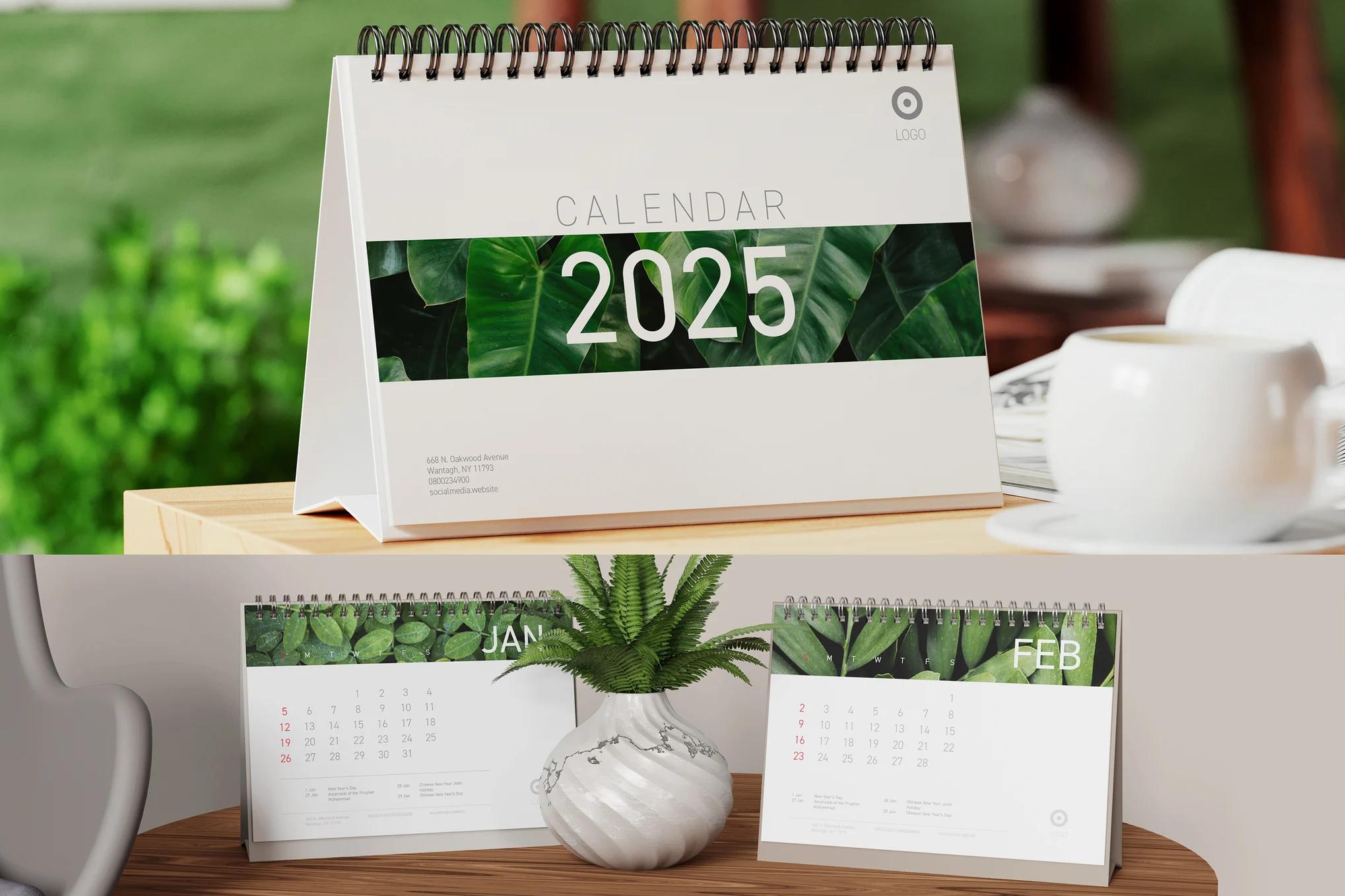
Social Media Festival Days Calendar 2026
For brands planning their 2026 content strategy, the following calendar highlights major occasions worth considering.
MonthImportant Festival / OccasionContent OpportunityJanuaryNew YearGoals, inspiration, brand visionJanuaryLohriCultural storytelling, celebrationsJanuaryMakar Sankranti / PongalRegional content, lifestyle campaignsJanuaryRepublic DayIndia-focused brand storiesFebruaryValentine's DayGifting, relationships, communityFebruaryMaha ShivaratriCultural and devotional contentMarchHoliReels, contests, UGC, colour campaignsMarchEid al-FitrCommunity, family and celebrationMarchUgadi / Gudi PadwaRegional New Year contentAprilEasterLifestyle and community contentAprilVaisakhiRegional storytellingAprilAkshaya TritiyaRetail, jewellery and giftingMayMother's DayEmotional storytelling and UGCMayBuddha PurnimaInspirational contentJuneFather's DayFamily stories and engagementJulyRath YatraCultural storytellingJulyGuru PurnimaEducation, gratitude and mentorshipAugustIndependence DayIndia-focused campaignsAugustOnamRegional campaigns and lifestyle contentAugustRaksha BandhanSibling stories and giftingSeptemberJanmashtamiCultural storytelling and ReelsSeptemberGanesh ChaturthiRegional campaigns and community contentOctoberGandhi JayantiValues, community and purposeOctoberNavratriFashion, lifestyle and cultural contentOctoberDussehraStorytelling and festive campaignsNovemberDiwaliMajor festive and promotional campaignsNovemberBhai DoojFamily and gifting contentNovemberChhath PujaRegional and cultural storytellingNovemberGuru Nanak JayantiCommunity and valuesDecemberChristmasGifting, celebrations and seasonal campaignsDecemberNew Year's EveYear-in-review and 2027 teasers
Note: Festival dates can vary according to regional calendars and religious traditions. Some Islamic observances are dependent on moon sighting, so brands should confirm dates before publishing campaign assets.
How to Use a Festival Calendar for Content Planning
A calendar becomes valuable when it is connected to an actual content strategy.
1. Select Relevant Festivals
Start by identifying festivals that matter to your target audience.
A fashion brand may focus on Diwali, Navratri, Eid and wedding-related occasions. A food brand may focus on regional festivals, family celebrations and food-related occasions. A B2B company may use national days, professional observances and culturally relevant moments more selectively.
Relevance should always come before quantity.
2. Plan Campaigns in Advance
Avoid waiting until the day of a festival.
For major campaigns, begin planning several weeks in advance. This gives your team enough time to develop creative concepts, write captions, produce videos, coordinate influencers, prepare landing pages, and schedule posts.
A simple planning process can be:
4–6 weeks before: Choose the campaign idea and objective.
2–4 weeks before: Create visuals, videos, captions and supporting content.
1–2 weeks before: Finalize assets and schedule posts.
Festival period: Publish, monitor engagement and respond to your audience.
After the festival: Analyze performance and record insights.
Create More Than a Festival Greeting
One of the most common forms of festival marketing is a simple greeting graphic.
While a greeting can be appropriate, it should not be the only content your brand creates.
Turn one festival into multiple pieces of content.
For example, a Diwali campaign could include:
A festival teaser Reel
A behind-the-scenes video
A festive product showcase
A customer contest
A user-generated content campaign
Instagram Stories with polls
A Diwali greeting
A post-festival thank-you message
This gives your audience multiple ways to interact with the campaign.
Use Interactive Content to Increase Engagement
Festival content is particularly well suited to interactive social media formats.
Polls
Ask questions that encourage quick participation.
Example:
"Which Diwali tradition do you enjoy most?"
Quizzes
Test your audience's knowledge of festivals, traditions, food, history, or popular culture.
Contests
Invite followers to share photographs, stories, creative ideas, recipes, outfits, decorations, or festival memories.
Questions
Use Stories and posts to encourage people to share their experiences.
User-Generated Content
Ask customers to create content featuring your product or their festival celebrations.
UGC can make a campaign feel more authentic while giving customers an active role in your brand story.
Don't Forget Regional Audiences
India's festival landscape is highly diverse. A national social media strategy should not assume that every audience celebrates every occasion in the same way.
Regional marketing can make festival campaigns more relevant by incorporating:
Local languages
Regional traditions
Local creators
Regional food
Cultural references
Location-specific offers
Local visual styles
For example, a Ganesh Chaturthi campaign can be adapted specifically for Maharashtra audiences, while an Onam campaign can be developed with Kerala audiences in mind.
Match the Content to the Platform
The same festival campaign can be adapted for different social platforms.
Instagram: Reels, Stories, carousels, polls and UGC.
Facebook: Community-focused posts, videos and contests.
LinkedIn: Company culture, employee celebrations, leadership messages and brand values.
YouTube: Festival guides, interviews, recipes, behind-the-scenes videos and longer storytelling.
Pinterest: Fashion, décor, recipes, gifting and festive inspiration.
Instead of copying the same post across every channel, adapt the content to how people use each platform.
Combine Festival Marketing With Your Brand Story
The best festival campaigns connect the occasion with something meaningful about the brand.
A food company could focus on togetherness and shared meals.
A fashion brand could highlight traditional and contemporary styles.
A travel company could showcase festive destinations and family journeys.
A technology company could focus on how technology helps people connect during celebrations.
The festival becomes the context, while the brand provides the story.
Measure Festival Campaign Performance
Don't judge a campaign only by likes.
Track metrics that connect with your marketing objective.
Important metrics include:
Reach
Impressions
Engagement rate
Comments
Shares
Saves
Video views
Profile visits
Website traffic
Leads
Sales
User-generated content
For example, a brand-awareness campaign may prioritize reach and shares, while an ecommerce campaign may focus more heavily on clicks, conversions and revenue.
After each major festival, record what worked and what didn't. These insights can improve next year's calendar.
Build a Year-Round Festival Content System
Instead of keeping your festival dates in a simple spreadsheet, turn the calendar into a complete content planning system.
For every important date, record:
Planning ElementWhat to IncludeFestivalName of the occasionDatePublishing dateAudienceRelevant target segmentCampaign ideaMain creative conceptContent formatReel, carousel, Story, video, etc.PlatformInstagram, Facebook, LinkedIn, etc.ObjectiveAwareness, engagement, traffic or salesCTADesired audience actionDeadlineCreative and approval deadlineResultsPerformance after publication
This structure helps marketing teams coordinate creative, social media, advertising, influencer marketing, and sales activity.
Final Thoughts
A Social Media Festival Days Calendar is much more than a list of festival dates. It is a planning tool that helps brands identify relevant cultural moments and turn them into meaningful content opportunities.
The key to successful festival marketing is relevance. Choose occasions that matter to your audience, plan campaigns early, use engaging formats, respect cultural context, localize content where appropriate, and measure the results.
When used strategically, a festival calendar can help your brand stay consistent throughout the year while creating timely opportunities for engagement, awareness, community building, and growth.




Write a comment ...